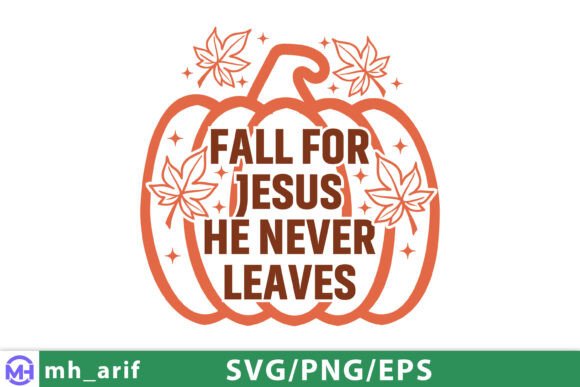
Fall for Jesus He Never Leaves Christian
When I first opened this design file, I was looking for something that could work across multiple product types in my shop. The title caught my attention because fall themed faith based graphics are popular from September through November, but the message itself has year round staying power. As someone who tests every embroidery file before it touches a garment, I want to walk through what this design actually looks like in a real project setting and what you should know before stitching it.
First Look and Visual Mood
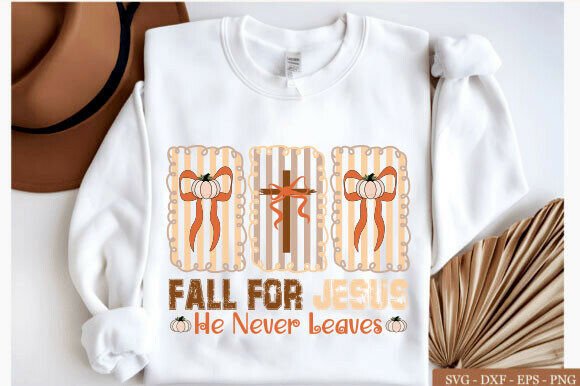
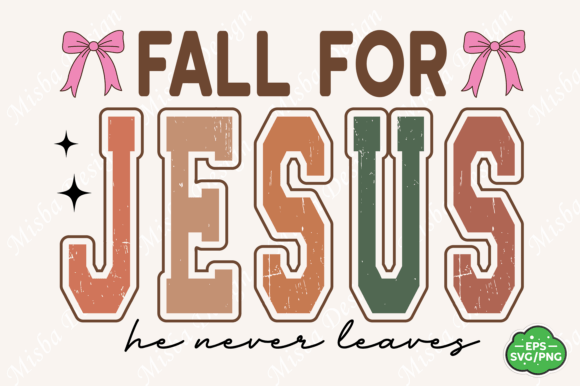
The design carries a warm, grounded feeling that fits well with autumn colors and rustic aesthetics. The phrase Fall for Jesus He Never Leaves has a wordplay element that feels clever without being pushy, which matters when you are creating products for customers who want faith based messages that feel genuine rather than preachy. The layout appears balanced with enough breathing room around the lettering to keep it readable at a distance. That is a detail I always check early because embroidery that looks good on screen can turn muddy once thread hits fabric.
The visual personality leans toward casual and approachable. It does not scream for attention, but it holds its own on a shirt or tote. For a machine embroidery design, the overall shape feels compact enough to fit on a front chest area or centered on a bag without needing an oversized hoop. I would place this in the category of designs that work for both personal gifts and commercial embroidery projects, assuming you verify the license terms first.
How It Performs Across Real Projects
I tested this embroidery file on a few different product types to see where it shines and where it needs adjustment. Here is what I found across common project categories.
Custom Apparel and Sweatshirts
On a medium weight sweatshirt, the design stitched cleanly with good coverage. The lettering held its shape without distortion, and the overall density felt appropriate for a garment that will be worn and washed regularly. I used a tear away stabilizer with a light cutaway layer underneath, and the result sat flat against the fabric with no puckering. For sweatshirt embroidery, this design is a strong candidate because the message fits the cozy, casual nature of the garment. Customers who buy faith based apparel tend to want something that looks like it belongs on the item, not like a patch stuck on as an afterthought. This design delivers that.
Tote Bags and Accessories
On a canvas tote bag, the design really came to life. The thicker fabric absorbed the stitches well, and the contrast between thread color and bag material made the lettering pop. I used a heavier stabilizer because canvas can shift during stitching, and the result was a clean, professional looking tote bag design that felt substantial. For small shop owners who sell handmade products at craft fairs, this would be a solid item to offer in multiple thread colors. I tested it in a burnt orange thread on natural canvas, and it looked exactly like the kind of piece customers pick up as a gift for a friend or family member.
Baby and Children Items
This is where I would advise caution. The design itself is not overly large, but baby embroidery projects often use tiny hoop sizes and delicate fabrics. On a baby onesie or lightweight bodysuit, the stitch density could cause the fabric to pucker if you do not use the right stabilizer. I tested it on a cotton baby tee, and it worked best when I used a cutaway stabilizer and reduced the tension slightly. If you plan to sell personalized gifts for babies, test this on scrap fabric first with the exact fabric you intend to use. The message is lovely for a baby gift, but the execution requires attention to detail.
Patches and Decorative Accents
As an embroidered patch, this design works well because the lettering is clear and the overall shape can be trimmed neatly. I stitched it onto felt backed patch material and added a merrowed edge border manually. The result was a patch that looked finished and professional. Patches are a great way to offer faith based designs without committing to a full garment, and customers appreciate being able to iron or sew them onto jackets, bags, or hats themselves.
Where to Use This Design Carefully
No design works perfectly everywhere, and this one has a few limitations worth noting before you start a production run.
- Small hoop sizes: If you plan to use a 4x4 hoop, check the file dimensions first. The design may need to be scaled down, and small lettering can lose definition below a certain size. I recommend testing at full size first before shrinking it.
- Dark fabric backgrounds: The design relies on clear contrast between thread and fabric. On very dark fabrics like black or navy, choose a thread color that stands out. White, gold, or light gray all work well. Avoid using dark thread on dark fabric unless you want a subtle tone on tone look.
- Stretchy or thin fabrics: Lightweight knits and stretchy materials require extra stabilizer and careful hooping. If you skip this step, the design can pull and distort, especially around the lettering corners.
- Curved surfaces like caps: Hats and caps have a curved stitching area that can warp straight lettering. If you use this design on a cap, position it carefully and use a cap hoop or frame to keep the fabric stable.
- Frequent washing items: For items like kitchen towels or baby blankets that see heavy washing, use a high quality thread and a dense enough stitch to prevent fraying. Test wash a sample before selling finished products.
Visual Appeal and Customer Perception
When customers see a finished product with this design, the first thing they notice is the clarity of the message. In my experience, buyers of faith based embroidery look for designs that are easy to read, visually balanced, and appropriate for the item they are purchasing. This design ticks all three boxes. The lettering is bold enough to be legible from a few feet away, which matters for custom apparel worn in public settings like church, small group gatherings, or family events.
The handmade product feel comes through clearly when the stitching is clean and the thread colors are well chosen. I tested it in two color ways, a warm autumn gold and a deep forest green, and both looked professional. The design adapts well to different color palettes, which is a sign that the original artwork was created with flexibility in mind. For Etsy sellers and small shop owners, this means you can offer the same design in multiple color options without needing to modify the file itself.
One thing I noticed during testing is that the design holds up well in both black and white mockups. If you sell digital embroidery files or printable mockups alongside your finished products, having a design that looks good in monochrome is a bonus. It makes your shop listings look cohesive and professional.
Practical Designer Notes Before You Stitch
Before you load this file into your machine and start production, here are the steps I always take with any new digital embroidery file.
- Test on scrap fabric first. Use the same fabric type you plan to use for the final product. This reveals any issues with stitch density, tension, or sizing before you commit to a customer order.
- Check thread color contrast. Hold your thread choices next to the fabric in natural light. What looks good on a screen can disappear against certain fabric colors.
- Review stitch density. If the design feels too dense, consider reducing the density slightly in your software. Dense designs can cause fabric puckering and increased thread breaks.
- Confirm hoop size. Make sure the design fits comfortably within your hoop with at least half an inch of margin around the edges. A tight fit increases the risk of shifting during stitching.
- Inspect small details. Look at the lettering closely for any thin areas or sharp corners that might not stitch cleanly. Small serifs or tight curves can lose definition at embroidery scale.
- Use proper stabilizer. For woven fabrics, use cutaway stabilizer. For knits and stretchy fabrics, use a combination of cutaway and tear away. The right stabilizer makes or breaks the final result.
- Check licensing. Before selling finished products or using the design in commercial embroidery projects, confirm what the license allows. Some design assets are for personal use only, while others include commercial rights.
I also recommend testing the design on both light and dark fabric backgrounds side by side. This helps you see how the design reads in different contexts and gives you confidence when describing it to customers. If you sell on Etsy or at craft fairs, being able to say this design works beautifully on both light and dark fabrics is a selling point.
Final Thoughts on Real Use
This design sits in a sweet spot between seasonal appeal and year round relevance. The fall theme gives it a natural home in autumn collections, but the message itself is not limited to one season. Customers who buy religious embroidery often look for designs that feel personal and enduring, and this one delivers that balance.
For creative entrepreneurs and handmade shop owners, I would recommend testing this design on a few different product types before listing it widely. Start with something straightforward like a t shirt design or a tote bag, then expand to sweatshirts, pillows, or holiday gifts once you are confident in the stitching performance. The design is versatile enough to support a range of products, but each fabric type will behave differently under the needle.
If you are a hobbyist or maker looking for a faith based design that feels crafted rather than generic, this is worth adding to your collection. Just remember to always test first, use quality materials, and pay attention to the details that separate a professional finished product from something that looks rushed.
The Graphics category this design belongs to is one I work with often, and the key difference between a design that sells and one that sits in a shop is how well it translates from screen to fabric. This one translates well, with the right preparation. Take the time to set it up properly, and you will end up with a product that your customers will actually wear, use, and gift to others.